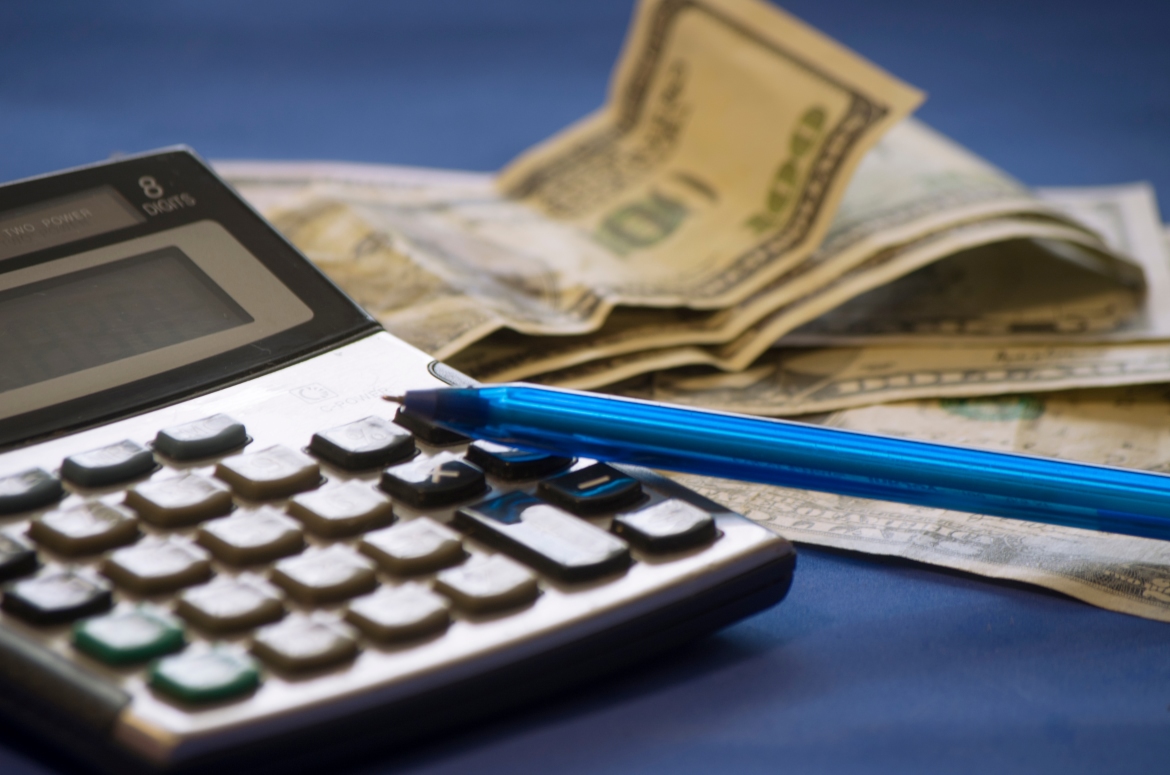
Tips to keep a tight control of your daily expenses
Keeping a tight control over your daily expenses is key to achieving your financial goals, avoiding unnecessary debt, and ensuring efficient use of your income. Without proper oversight, small daily expenses can quickly add up and put your financial stability at risk. Below, I share some tips to keep a close track of your daily expenses and optimize your financial management.One of the first steps to controlling your daily expenses is to create a detailed budget. By setting a budget, you can divide your income into categories, such as food, transportation, entertainment, and savings. This plan allows you to know exactly how much you can spend in each area and helps you avoid overspending. Maintaining a well-structured budget is essential for identifying spending patterns and making adjustments when necessary.Using technology is another great way to monitor your daily spending. There are a number of personal finance apps that allow you to record your purchases and payments, providing clear reports of your spending habits. These apps not only make it easy to track expenses, but they also send alerts when you are close to exceeding the limits you have set for each category. This constant visibility helps you stay focused on your financial goals.An effective strategy is to record each of your daily expenses , no matter how small. Whether you pay with cash, card, or even mobile apps, every expense counts. Keeping a manual or digital record of each transaction allows you to be aware of what you are spending your money on and how you can cut down on unnecessary spending. By being clear about your minor expenses, you can identify areas where you may be overspending, such as daily coffees or eating out.Reducing impulse spending is another important way to keep control of your daily expenses . Impulse spending often arises when we don’t have a clear plan and we buy on a whim. To avoid falling into this type of spending, it is advisable to make a list before shopping, especially at the supermarket. Sticking to this list will help you avoid temptations and limit yourself to only what is necessary. It is also useful to reflect before making important purchases and take some time to decide if you really need it or if it is something you can postpone.Another effective tactic is to use the envelope system or the “cash-in-hand” method. This system involves dividing your money into envelopes labeled according to the categories in your budget, such as transportation, food, or entertainment. Each time you spend money, you use only the money in the corresponding envelope. When the money in the envelope runs out, you know you’ve reached your spending limit in that category, which forces you to be more disciplined with your purchases.Prioritizing savings is also essential to keeping a tight control on your daily expenses. Before you start spending, make sure you allocate a portion of your income to a savings fund. Set a fixed percentage of your salary that will go directly to your savings, and treat this fund as a mandatory expense. This way, you’ll be building a financial cushion without compromising your spending control goals.Regularly reviewing your bank and credit card statements is crucial to maintaining accurate control. This habit allows you to check for unexpected charges or errors on your bills. Plus, it helps you identify spending patterns you might not have noticed before. Reviewing these statements at the end of each week or month is a great practice to ensure you are keeping track of your daily spending.Setting short- and long-term financial goals can motivate you to stay on top of your daily spending. By having a clear purpose, such as saving for a trip, a major purchase, or simply increasing your emergency fund, it’s easier to be disciplined with your money. Every time you feel tempted to spend more than necessary, remind yourself of your goals and how controlling your spending will help you reach them more quickly.Keeping a tight control over your daily expenses requires planning, the right tools, and discipline. By creating a budget, recording each expense, avoiding impulse purchases, and prioritizing savings, you can have a better handle on your personal finances and approach your financial goals more effectively.